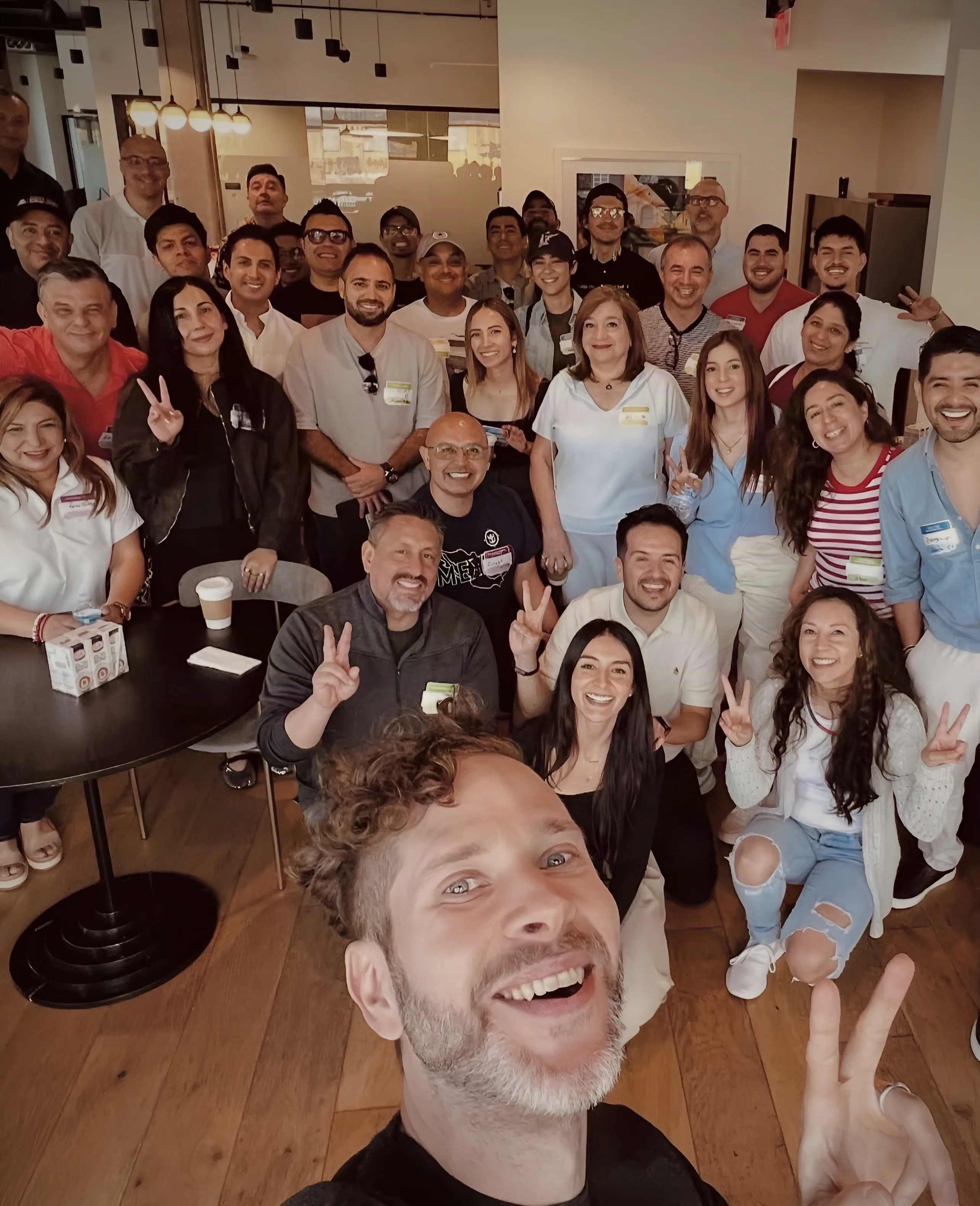
First, we talk.
We sit down with communities and social entrepreneurs, in plain language, until the real problem is on the table and people can judge AI for themselves.
AI FOR SOCIAL GOOD
We find real problems in our communities and bring the technology, the talent and the incentives to the same table. Then we build.
1 · THE MOMENT
More than a billion people now use ChatGPT every week. No technology on record has reached people this fast. Not the personal computer. Not the internet.
Every generation inherits problems it didn't create. Few get a tool big enough to do something about them.
We just did.
2 · THE PROBLEM
Two gaps are opening at the same time.
The first is readiness.
AI will bring enormous opportunity and enormous disruption. Most communities don't yet have the access, the skills or the context to find their way through it.
The second is where AI gets put to work.
It moves fastest where the capital is, and it answers to whoever deploys it. More clicks. More ads. Fewer people on the payroll. The problems of a community rarely make that list.
This year, four companies will spend more than $700 billion on AI infrastructure. The largest foundation coalition on AI pledged $500 million, over five years. And nine in ten foundations give the nonprofits they fund no support to use AI.
Nobody voted for that. It's just where things go when no one asks a different question.
We think that's a choice. And we can choose differently.
3 · HOW WE DO IT
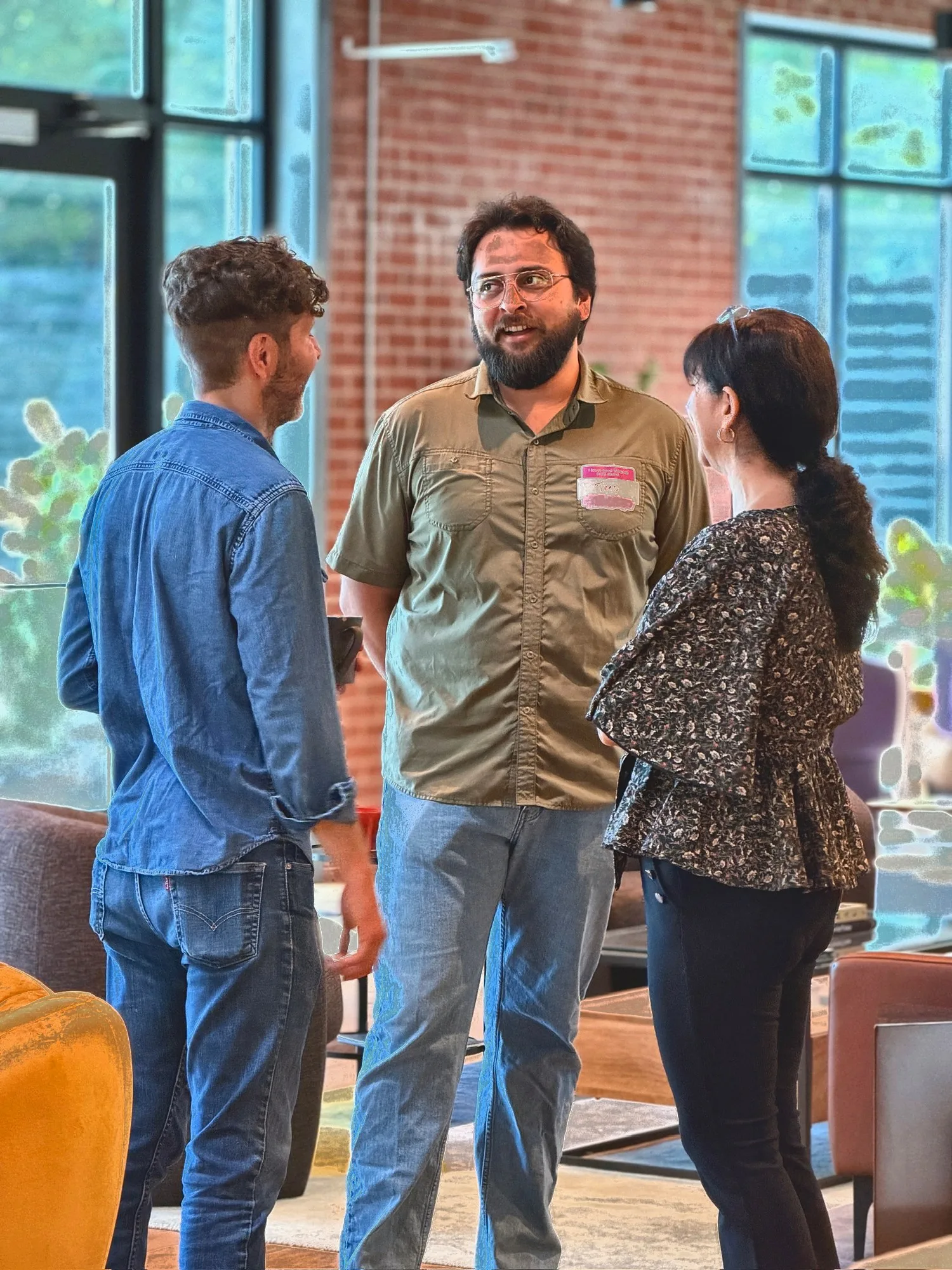
We sit down with communities and social entrepreneurs, in plain language, until the real problem is on the table and people can judge AI for themselves.
The problem, the talent and the incentives. When doing good is also a way to make a living, people stay with the problem.
One problem. One small tool. Built with the people who will use it, alongside the social entrepreneurs doing the work.
When AI isn't the answer, we say so.
CAFECITO TECH
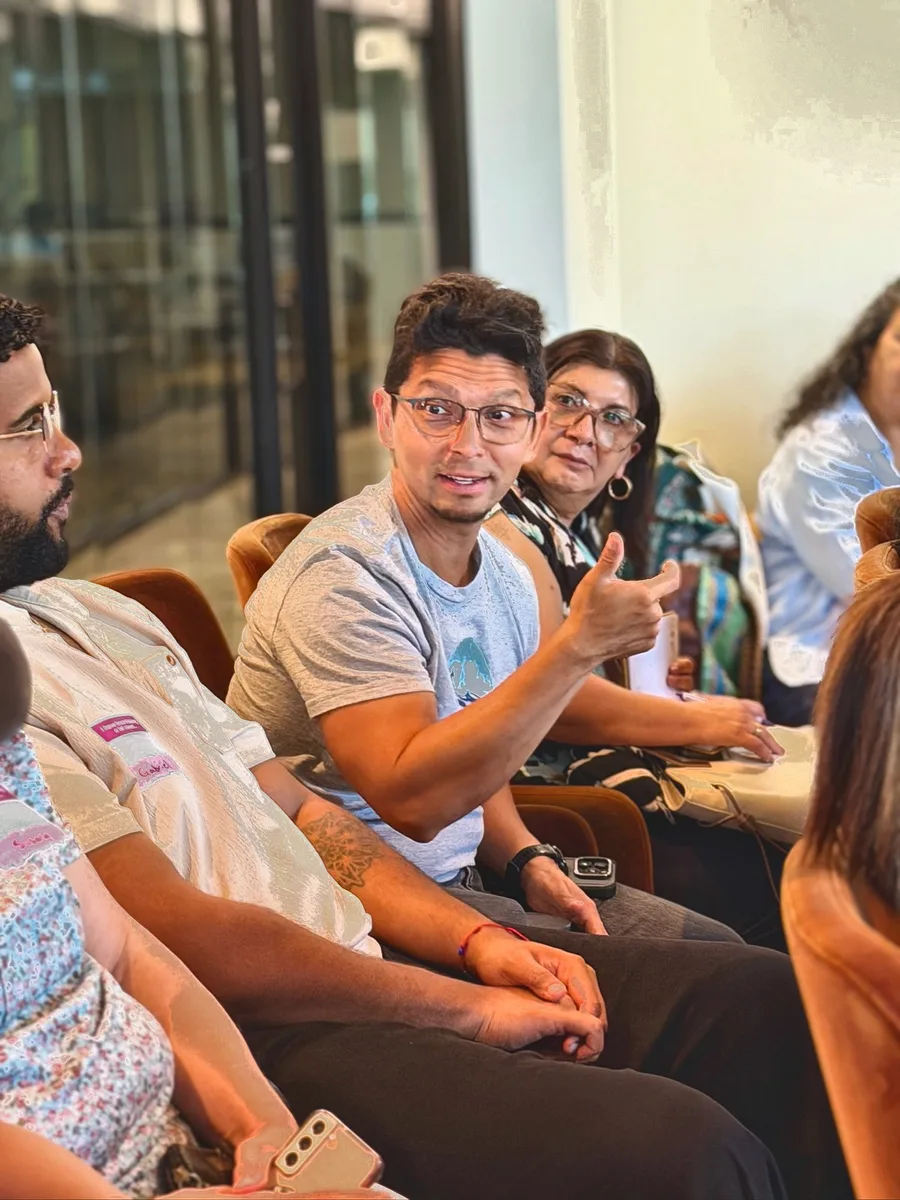
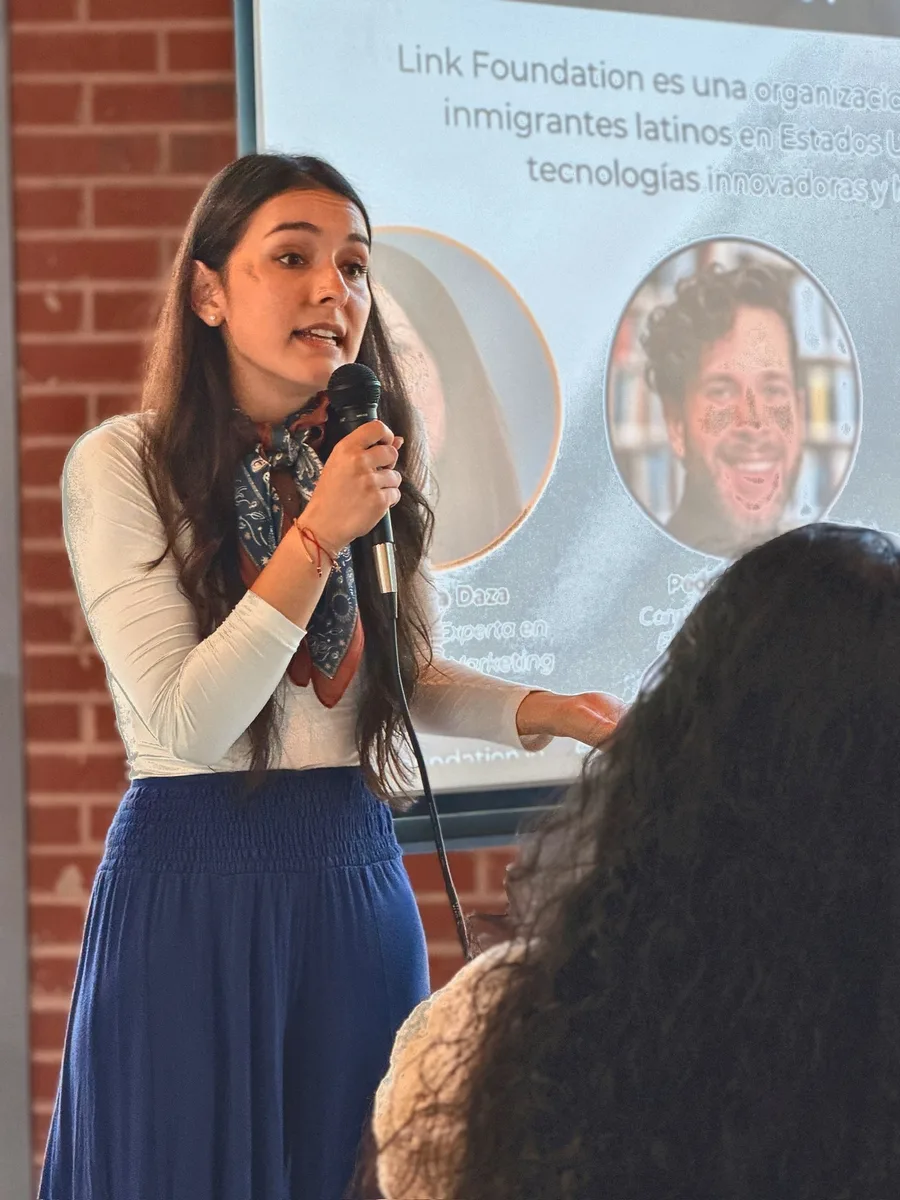
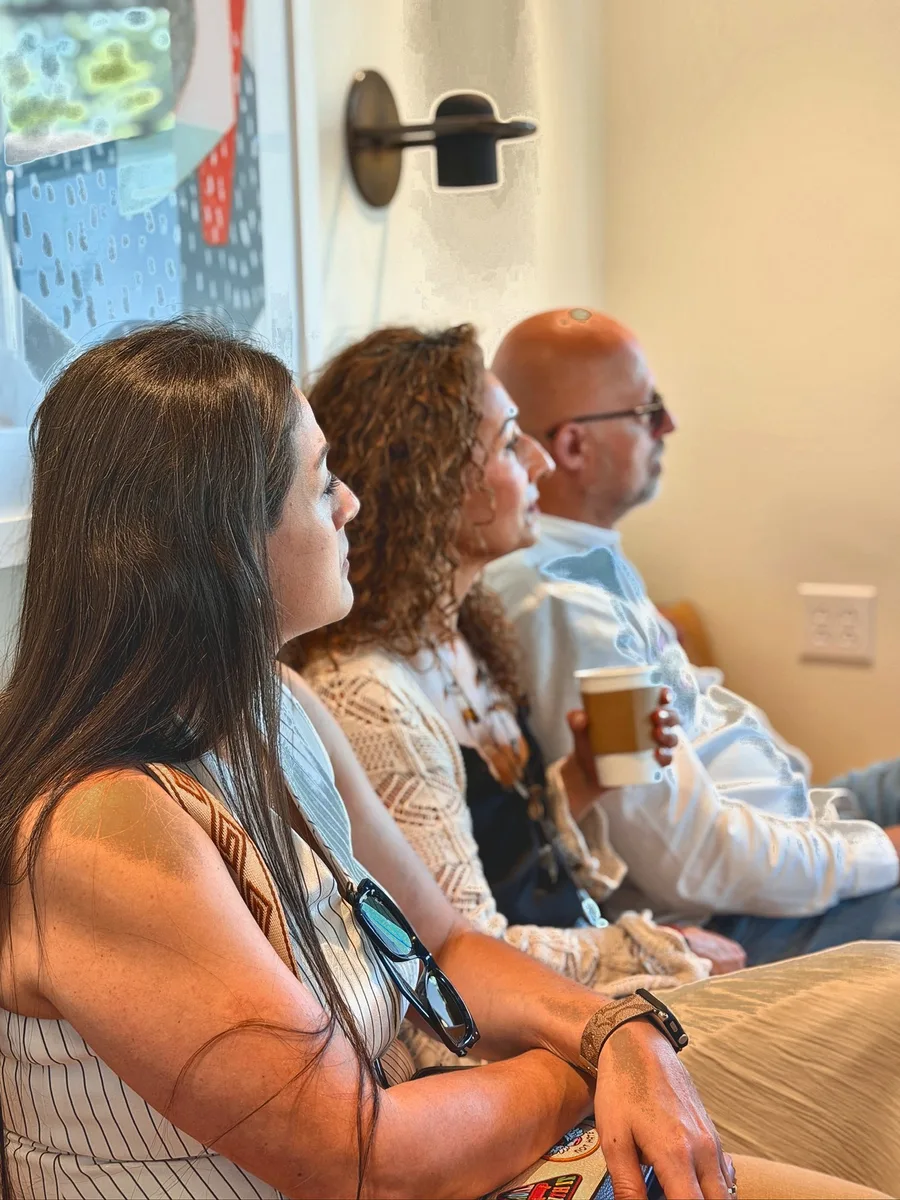
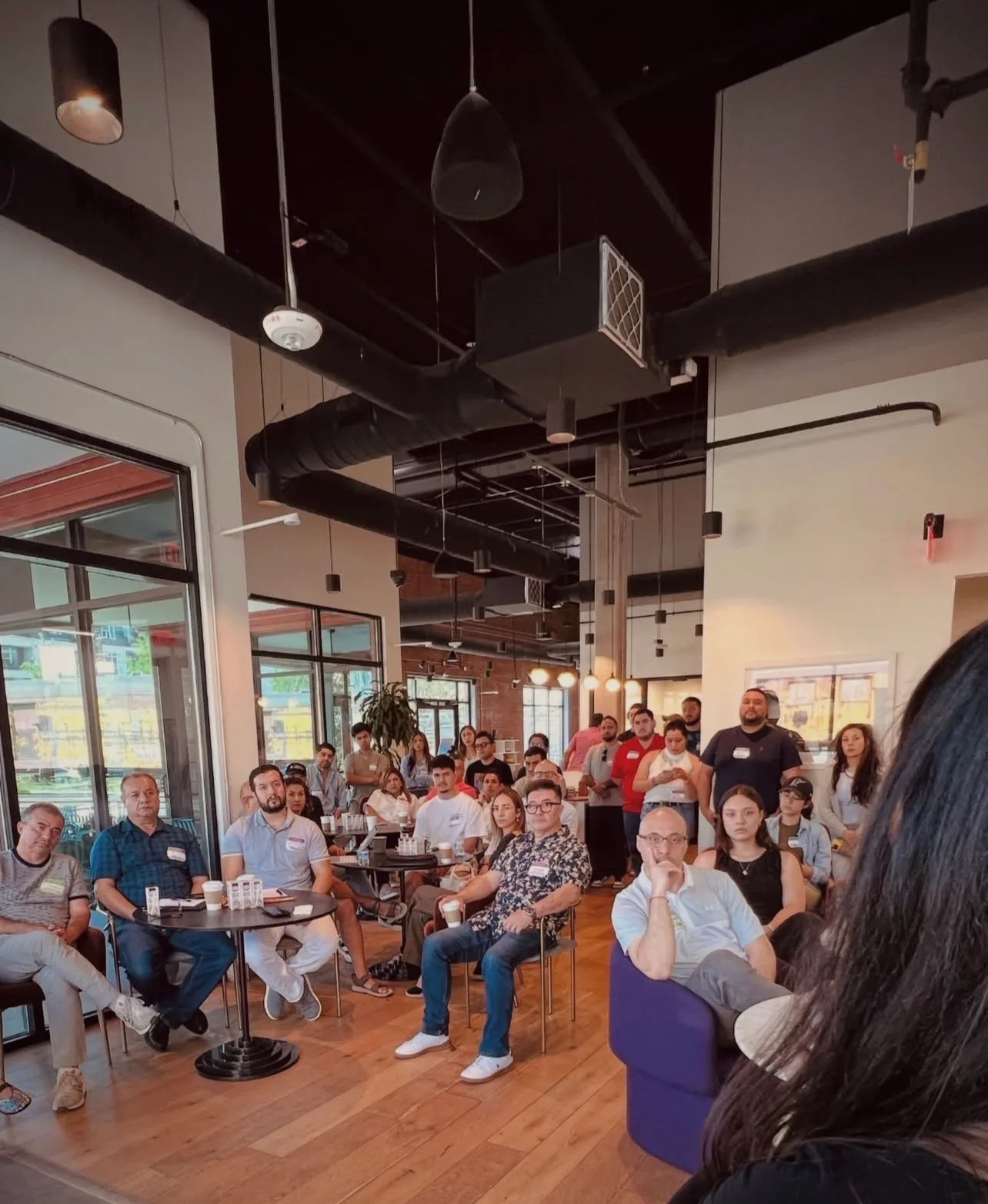
Cafecito Tech is where we sit down with community leaders in Charlotte to talk about the problems our community faces, and the different ways we can use AI to work on them.
 A project of Link Foundation →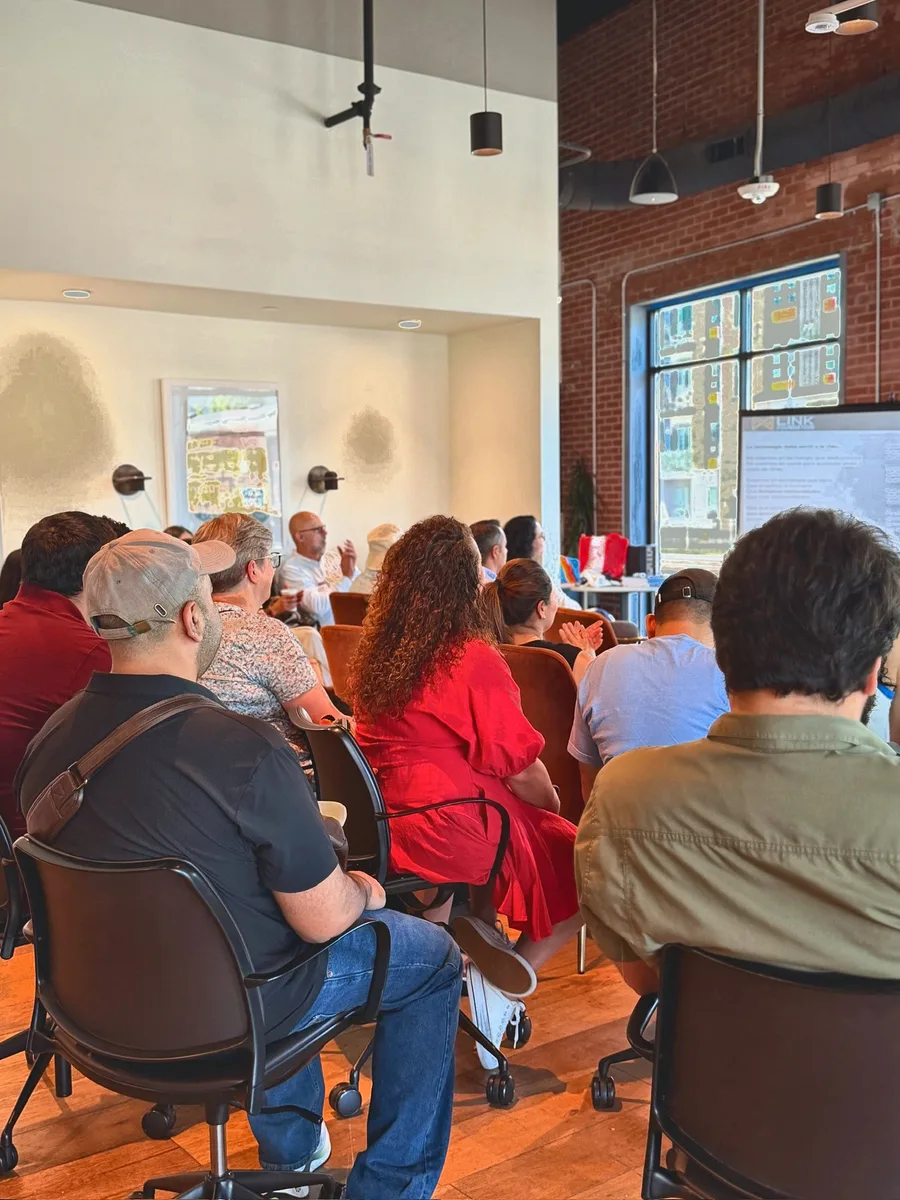

4 · WHERE WE ARE ·
This is a project in progress. We're still giving the idea its shape. The question underneath hasn't changed: how do we use technology so it serves people?
Working with cooperatives in Western North Carolina
A women's cooperative growing moringa in Haiti. We're working out how AI can help them
Working with small Hispanic nonprofits in North Carolina to help them reach underserved communities
5 · WHAT WE BELIEVE
AI can be the best thing or the worst thing. We're here to tip it toward the best.
6 · THE TABLE IS OPEN
Leave your email and we'll send you what we learn, each case study as it happens and the ways to join the project.